Paul Edmonds case study
See how we helped them drive scalable growth by refining their product catalogue, solving feed inefficiencies, and restructuring campaign strategy.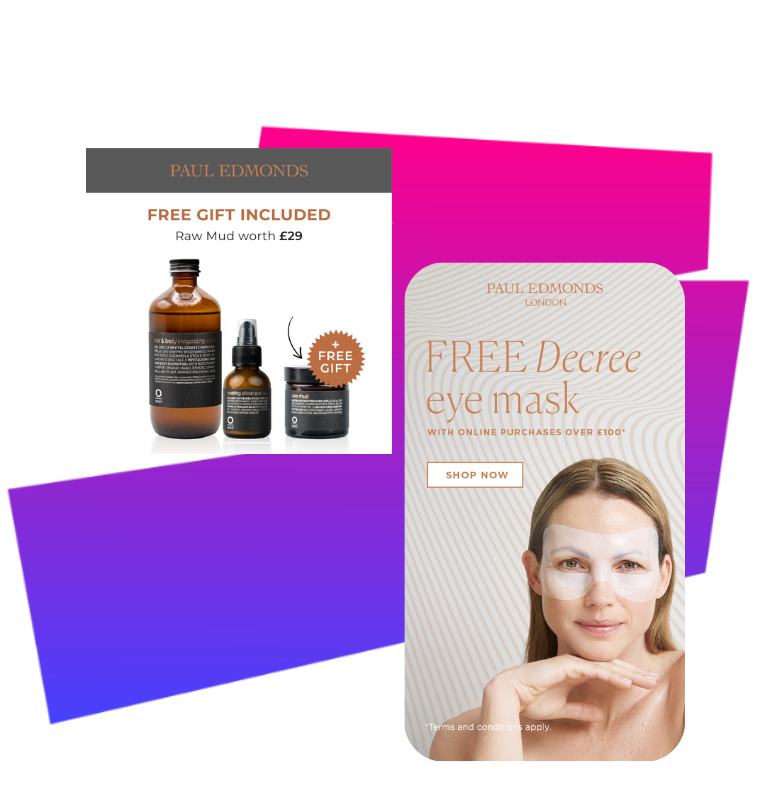

-
55%
revenue growth
-
5.0+
ROAS
-
+700%
conversion rate uplift
-
+30%
increased product visibility
By simplifying the structure of their extensive catalogue and focusing on top-performing products, we were able to significantly uplift performance across paid media.
Paul Edmonds is a luxury beauty destination offering a curated selection of premium haircare, skincare, makeup, and wellness products from top-tier global brands.
When Paul Edmonds came to us, they were facing an uphill battle. With a catalogue of 600–700 products across dozens of luxury brands, their campaigns were suffering from inefficiencies and underperforming.
There was no strategic segmentation in the product feed, limited clarity on what was driving revenue, and serious performance concerns heading into the crucial Q4 period.
We stepped in to streamline the feed, uncover hidden performance drivers, and build a scalable campaign structure that prioritised return over volume. The results were transformative.
Our task was clear:
- Simplify the way the product catalogue was structured.
- Identify the products that truly moved the needle.
- Create a performance strategy that could scale without wasting spend.
Paul Edmonds faced two core challenges that were stifling their ability to scale:
Complex product feed with no strategic structure
- 600+ products across multiple luxury suppliers were being promoted without prioritisation.
- Campaigns treated all SKUs equally—regardless of brand performance or demand—leading to inefficient spend.
Lack of performance visibility and wasted budget
- Conversion data was fragmented and spread too thin across too many products.
- Top performers were buried in noise, while budget was wasted on underperforming SKUs.
- Poor tracking setup further obstructed effective optimisation.
The brand needed a focused performance reset, grounded in data and aligned with their premium positioning.


To bring clarity and structure to a previously fragmented paid media strategy, we took a data-driven approach:
1. Restructured campaigns by brand segmentation (not intent)
Rather than segmenting campaigns by conversion intent we aligned paid search and shopping campaigns around brand-level segmentation. This unlocked greater control and revealed clear performance trends.
Why brand-led segmentation worked
- Each supplier had clear bestsellers.
- It allowed us to isolate performance and optimise spend at the brand level.
- Enabled precise creative messaging and ad copy tailored to each brand’s customer profile.
2. Identified winners, to cut the waste
By analysing campaign and product-level data, we identified that only 3–4 SKUs per brand were driving meaningful conversions.
What we did next
- Streamlined campaigns to focus budget on those high performers.
- Paused underperforming SKUs to eliminate waste.
- Created strategic bundles and upsell opportunities to increase AOV.
The result was a far leaner campaign setup, focused on ROI, not product volume.
3. Feed optimisation via Shoptimised
We used Shoptimised to dynamically enhance product titles, images, and descriptions—making the feed more competitive across Google Shopping and Meta.
Shoptimise allowed us to
- Improved product quality scores and CTRs.
- Elevated previously overlooked SKUs.
- Enabled better alignment between user queries and product listings.
Feed optimisation wasn’t just about getting the data right—it was about unlocking previously hidden performance.
4. Tracking, attribution blind spots and performance troubleshooting
We uncovered several tracking issues that were muddying campaign data, particularly in Google Ads and Meta conversion reporting.
Our fix
- Audited all tracking pixels and server-side tags.
- Implemented more reliable attribution models.
- Used this clean data to sharpen our bidding and audience strategy.
This gave us the confidence to scale profitably without guesswork.
- Performance uplift across Google and Meta Ads following full feed and campaign restructuring
- ROAS now exceeding 5.0+
- +700% Conversion rate uplift and increased revenue contribution from previously low-performing SKUs
- +55% revenue growth

Related Success  stories

The Gut Stuff case study
We transformed The Gut Stuff’s paid media strategy with new funnels, optimised keywords, fresh assets, and precise audience targeting. This resulted in a 100% ROAS boost on Meta, a 48% sales increase via Google Ads, and a 117% drop in CPA.
How did we do it?

Empress Mimi case study
Empress Mimi's revenue soared 89%! Catchy subjects, templates, and strategic tweaks. Read our case study for the full story!
How did we do it?
Where’s next for your brand?
No matter where you are in your marketing journey, our dazzling team of specialists will keep you moving, show you how to grow, and help you actualise the vision you’ve always secretly had for your brand.